Building confidence, communication, and everyday skills for the school year ahead
As the first day of school gets closer, families are thinking about backpacks, school supplies, schedules, transportation, and getting back into a routine. But you may also be wondering how to help my child prepare socially for back to school and build confidence for the year ahead.
For many neurodivergent learners, returning to school involves much more than remembering where to go and what to bring. A new school year can mean different teachers, classmates, routines, expectations, and social situations. Even familiar environments can feel different after time away.
The good news is that your learner does not need to master every social skill before the first day of school.
Getting back into predictable routines can also make the transition easier. The American Academy of Pediatrics offers helpful back-to-school tips for families including ideas for easing into school routines and preparing for new situations.
Instead, think about one skill that could make the transition a little easier. Start there.
Preparing Socially for Back to School Is About More Than Making Friends
When we think about preparing socially for school, making friends may be one of the first things that comes to mind.
Friendships certainly matter. However, social skills are part of almost every moment of the school day.
A learner may need to greet a teacher in the morning. They might have to ask for help when they do not understand an assignment. At lunch, they may need to find a place to sit or join a conversation. Later, something unexpected might happen and require them to adjust.
These situations involve different skills.
Starting conversations.
Listening to others.
Recognizing social cues.
Managing emotions.
Handling changes.
Asking for help.
Expressing a need.
The list can quickly start to feel overwhelming.
It does not have to be.
Start With One Social Skill for Back to School
If you are wondering how to help your child prepare socially for back to school, try not to start with everything you hope they will accomplish this year.
Instead, ask yourself a smaller question:
What is one skill that could help my learner feel more confident during the school day?
Maybe your learner has difficulty starting conversations. Practicing a simple greeting may be a great place to begin.
Perhaps asking an adult for help is difficult. You could practice what to say when an assignment is confusing.
Another learner may struggle when plans suddenly change. Talking through what they can do when something unexpected happens could be the first step.
There is no single right place to begin.
The goal is not to prepare for every possible situation. The goal is to build confidence with one skill and then continue from there.
Conversation Skills Can Make the School Day Easier
Think about how many conversations happen during a typical school day.
Learners talk with teachers, classmates, bus drivers, cafeteria staff, coaches, counselors, and many other people.
Knowing how to begin a conversation is important. So is knowing how to listen, ask questions, take turns, and keep a conversation going.
These skills do not always develop simply because someone spends more time around other people. Many learners benefit from direct instruction and repeated opportunities to practice.
The WonderKids Conversations Module helps break communication into smaller skills that families can practice together. Learners can revisit lessons as often as needed instead of feeling pressure to learn everything at once.
That practice can continue long after the first day of school.
Social Awareness Helps Learners Understand What Is Happening Around Them
School is filled with information that nobody says out loud.
A classmate’s facial expression may show excitement or confusion. Someone may be waiting for a turn to speak. A teacher’s tone may signal that it is time to pay attention or change what you are doing.
Recognizing these social cues can help learners better understand what is happening around them.
Our WonderKids Social Awareness Module focuses on skills that help learners notice and understand those everyday interactions.
As we explored in our article, Why Doesn’t My Child Pick Up on Social Cues?, many of the most important parts of communication are never spoken. They have to be noticed.
Practicing social awareness at home gives families an opportunity to point out those moments and talk about what they might mean.
Self Management Can Help When the School Day Does Not Go as Planned
Even the best planned school day can change.
A substitute teacher arrives.
The schedule changes.
An activity gets canceled.
A difficult assignment causes frustration.
Someone says something unexpected.
For some learners, those moments can be challenging.
Self management does not mean never becoming frustrated, disappointed, or overwhelmed. Instead, learners can develop strategies that help them recognize what they are experiencing and decide what to do next.
The WonderKids Self Management Module gives families another area to practice outside of school. Working on these skills during calmer moments can help learners build strategies they can use when challenges arise.
Again, this does not need to happen all at once.
Choose one skill. Practice it. Celebrate progress. Then keep building.
Self Advocacy Helps Learners Communicate What They Need
One of the most valuable skills a learner can take into a new school year is knowing how to ask for what they need.
That might sound like:
“Can you explain that again?”
“I need some help.”
“I don’t understand.”
“Can I have a minute?”
Learning to communicate a need can help learners become more active participants in their own school experience.
The WonderKids Self Advocacy Module helps learners practice speaking up, making choices, expressing needs, and communicating more confidently.
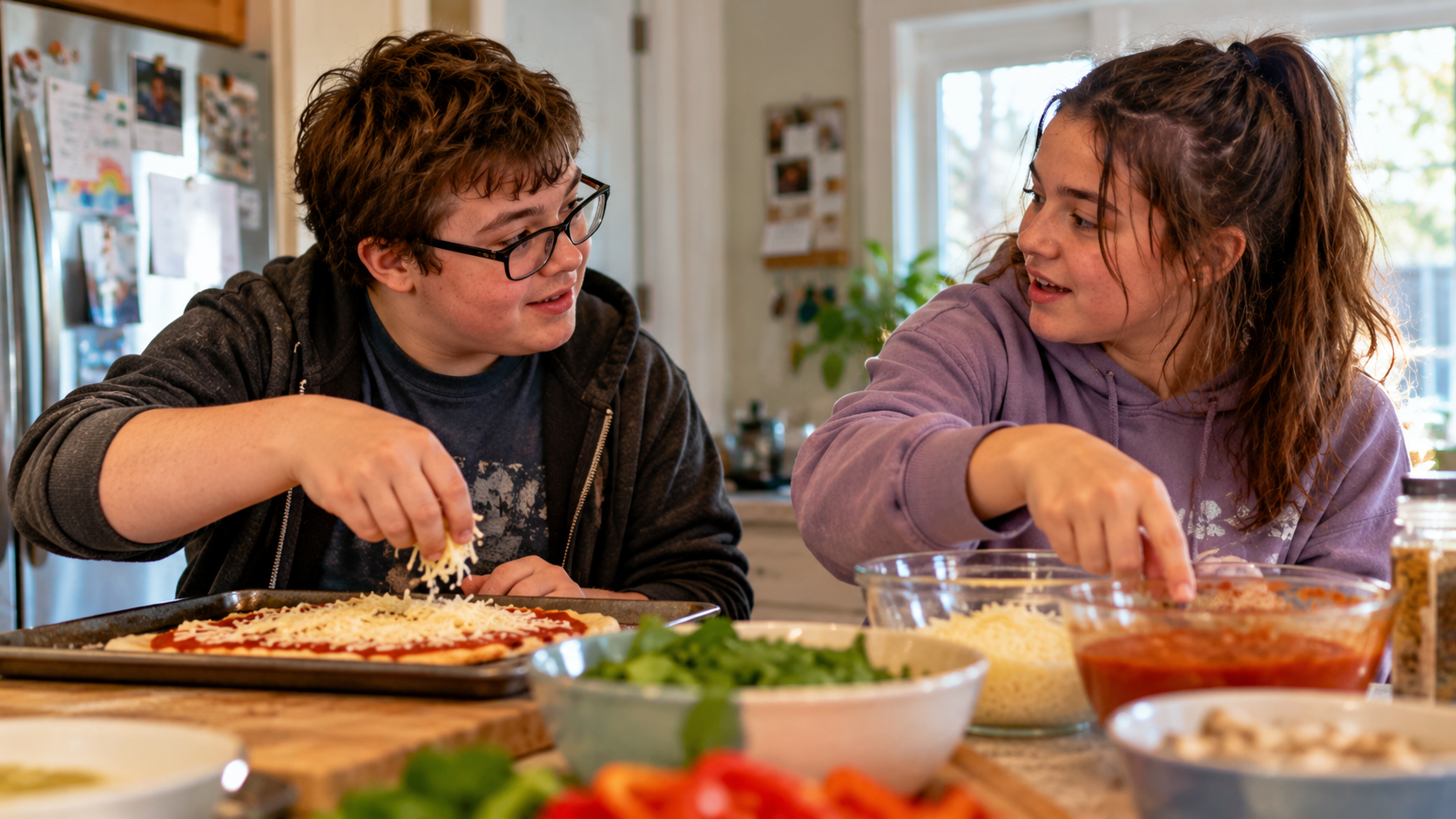
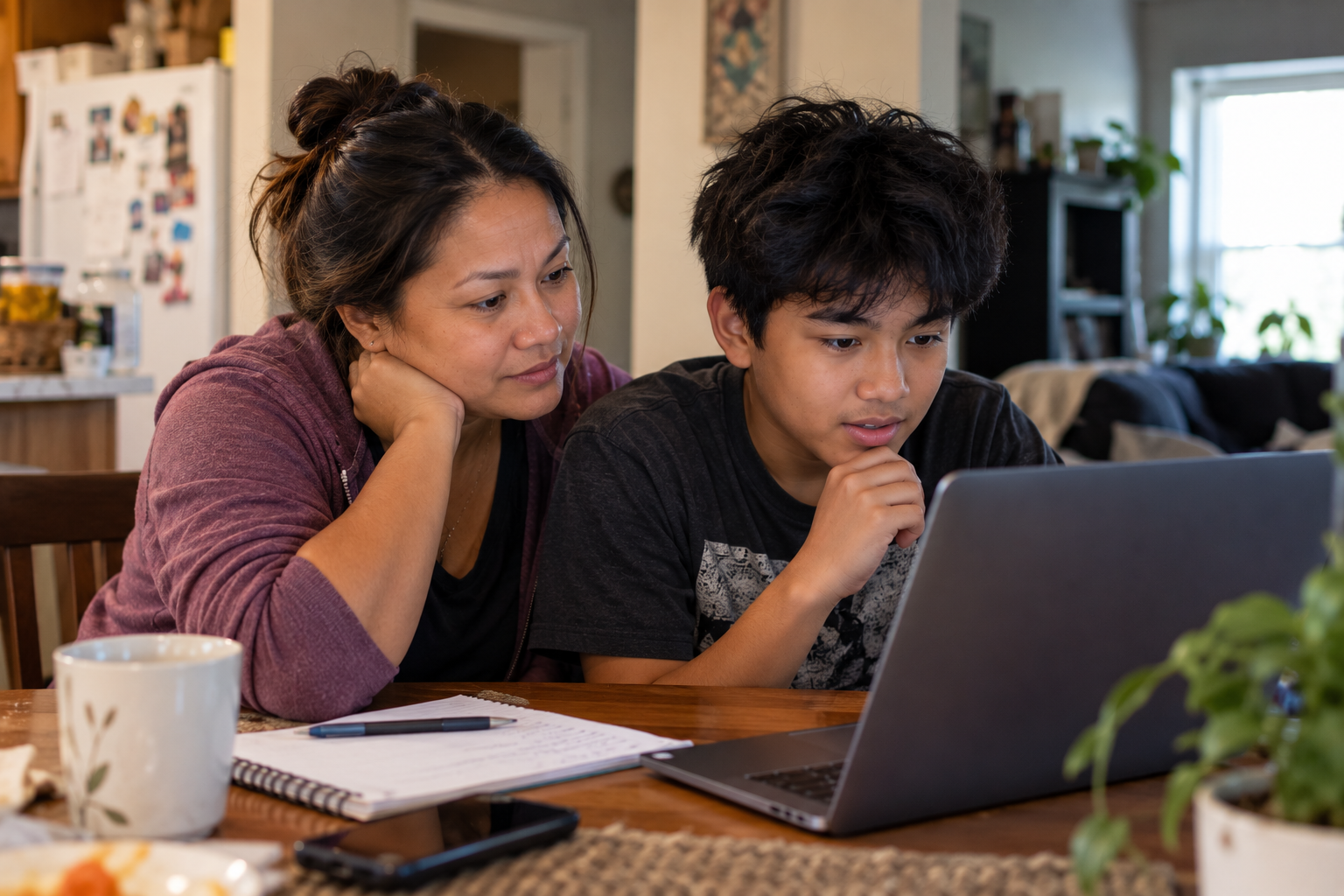
Families can practice these skills at home, where there is time to try, make mistakes, talk about what happened, and try again.
Back to School Is Only the Beginning
There can be tremendous pressure when families are trying to help their child prepare socially for back to school.
Families want the first day to go well. We want learners to feel comfortable, build relationships, participate, and experience success.
But social learning does not stop when the first bell rings.
In fact, the experiences learners have throughout the school year will create new opportunities to practice.
A conversation that was difficult in September may feel easier in November. Asking for help may become more comfortable after practicing it several times. Recognizing a social cue may begin with support and eventually happen more independently.
Progress often happens through repetition.
That is why WonderKids gives families the ability to return to lessons throughout an active subscription. Learners can revisit concepts, practice skills again, and move at a pace that works for them.
You Don’t Have to Start With Everything
WonderKids includes four areas that can support skills learners use throughout the school day: Conversations, Social Awareness, Self Management, and Self Advocacy.
But families do not have to begin with all four.
WonderKids allows you to choose an individual module based on the skills you want to focus on. Families who want access to the complete collection can choose that option as well.
If you’d like to see how WonderKids teaches these skills before deciding where to begin, watch a free sample lesson to see the video instruction and activities families can use together at home.
That flexibility matters because every learner is different.
One learner may need help starting conversations.
Another may benefit from practicing self advocacy.
Someone else may be working on recognizing social cues or managing unexpected changes.
Start where your learner is.
Help Your Child Prepare Socially for Back to School and Beyond
Back-to-school season gives families a natural opportunity to think about the skills that could make the coming year a little easier. However, these skills matter far beyond the first few weeks of school.
Communication, social awareness, self management, and self advocacy can support learners at school, at home, and throughout the community.
WonderKids gives families a practical way to work on those skills outside of the school day. Through engaging video lessons, real world examples, visual supports, and activities families can complete together, learners can practice at home and revisit skills throughout the year.
Explore WonderKids and choose the learning option that’s right for your family.
You can start with one module or explore the complete WonderKids experience. Either way, you do not have to tackle everything today.
Choose one skill that could make tomorrow a little easier.
Practice it.
Notice the progress.
Then build from there.
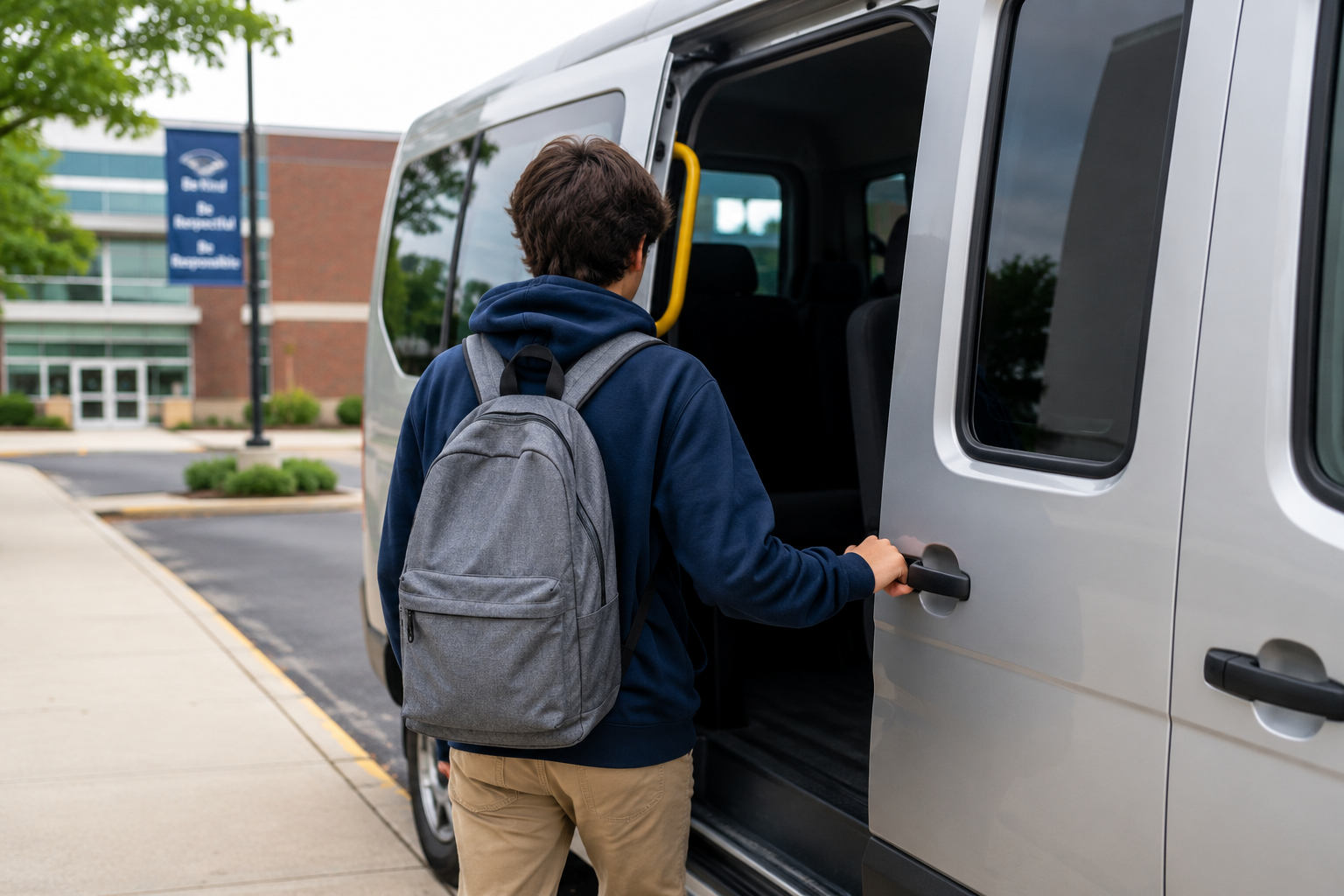
Because preparing for school is not only about what goes into the backpack.
It is also about helping learners carry greater confidence, stronger communication skills, and a growing ability to advocate for themselves wherever the school year takes them.