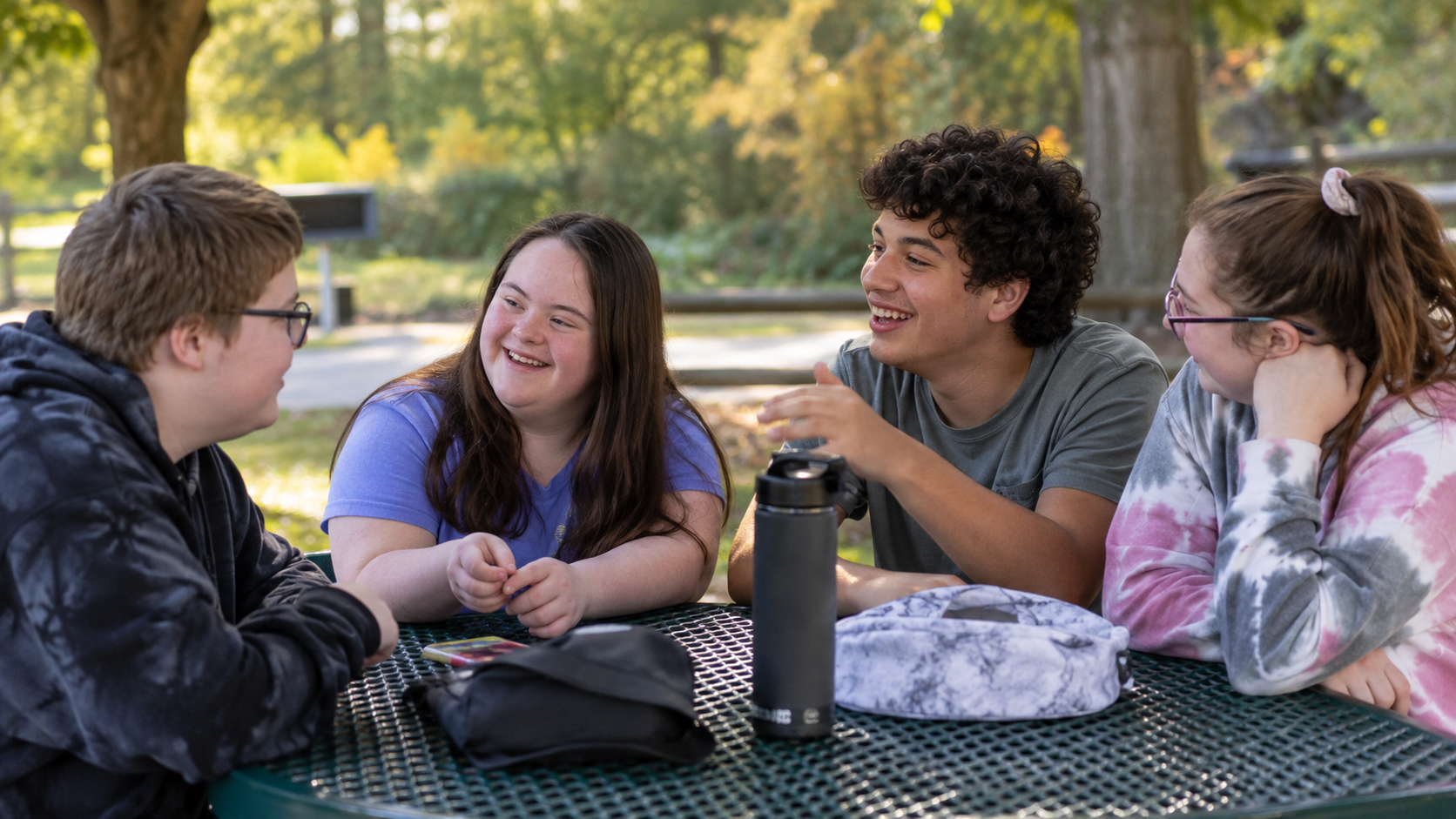
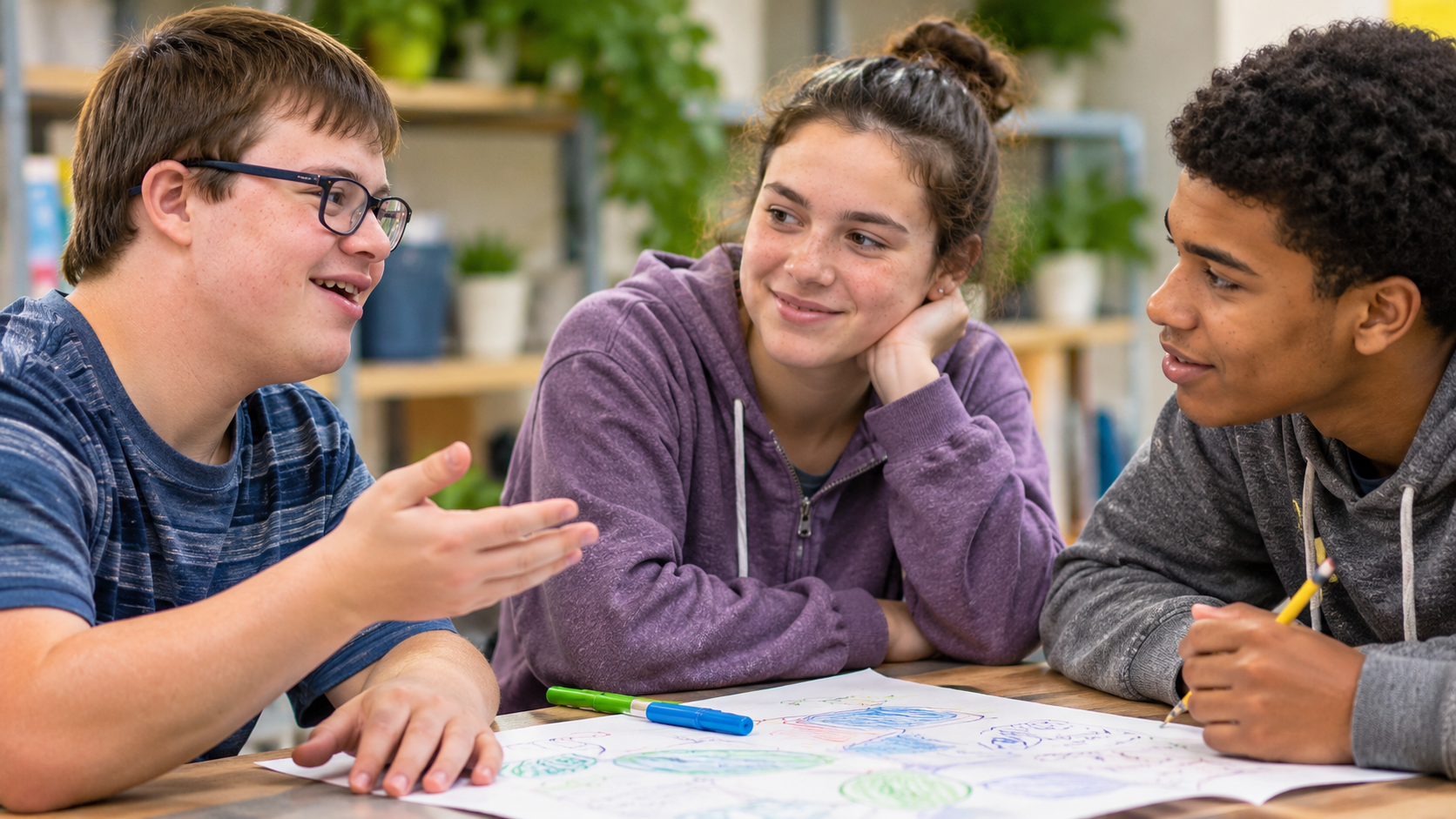
Social emotional learning activities help children develop important skills that support their growth, independence, and relationships. While many children are introduced to these concepts at school, opportunities to strengthen them extend well beyond the classroom.
Social-emotional learning activities can help children, teens, and young adults better understand emotions, communicate with others, manage everyday challenges, and advocate for themselves. For families, finding effective and engaging ways to support these skills at home can sometimes feel overwhelming.
That’s where WonderKids Digital can help. This online social skills learning program offers structured lessons that use video modeling, repetition, and interactive activities to help learners explore and practice important skills. Families can access the program from home and revisit lessons as often as needed.
Understanding social-emotional learning can help you identify meaningful ways to support your child. This applies whether they’re just beginning or need additional practice.
What Are Social Emotional Learning Activities for Kids?
Social-emotional learning, often referred to as SEL, is the process of developing skills that help individuals understand themselves, interact with others, and navigate everyday experiences.
According to the Collaborative for Academic, Social, and Emotional Learning (CASEL), social-emotional learning includes five interconnected areas: self-awareness, self-management, social awareness, relationship skills, and responsible decision-making.
For children with autism and other developmental differences, individualized instruction can be especially meaningful. Learning opportunities should be accessible and responsive to their needs.
Social-emotional learning activities may support children as they develop skills such as:
- Recognizing and communicating emotions: Understanding feelings and identifying ways to express them.
- Building communication skills: Participating in conversations, sharing interests, and communicating preferences.
- Developing social awareness: Recognizing that people may have different perspectives, experiences, and communication styles.
- Practicing self-management: Exploring strategies for responding to frustration, disappointment, or unexpected changes.
- Strengthening self-advocacy: Asking for help, expressing needs, and communicating personal boundaries.
These skills develop over time, and children may need different levels of support depending on the situation, their developmental needs, and their individual strengths.
Three Social Emotional Learning Activities Families Can Try at Home
Supporting social-emotional development doesn’t always require elaborate activities or complicated materials. Many everyday experiences offer opportunities to introduce important concepts and reinforce learning.
1. Encourage Emotional Awareness
Children benefit from opportunities to identify, understand, and communicate their emotions.
Families can explore feelings during familiar activities, such as reading a story, watching a favorite program, or discussing something that happened during the day.
For example, asking how a character might be feeling can introduce different emotions and perspectives without placing pressure on a child to discuss their own experiences before they’re ready.
The goal is to help children recognize that emotions are a natural part of everyday life and that there are different ways to communicate what they’re experiencing.
2. Support Communication and Social Awareness
Communication involves more than knowing what words to say. It also includes recognizing different communication styles, expressing interests, and understanding that conversations can unfold in many ways.
Families can encourage these skills by creating opportunities to share ideas, discuss favorite topics, and explore different perspectives.
Some children may communicate verbally, while others may use gestures, visual supports, or alternative communication methods. Recognizing and respecting these differences is an important part of meaningful social-emotional learning.
3. Build Self-Management and Self-Advocacy Skills
Learning to recognize personal needs and communicate them effectively can support greater independence.
Families can encourage children to identify strategies that help them feel comfortable and prepared in different situations.
This might include practicing how to request a break, ask for clarification, express a preference, or communicate when something feels overwhelming.
These opportunities help reinforce an important message: children should have a voice in decisions and situations that affect them.
How Can Online SEL Lessons Support Skill Development?
Everyday experiences provide valuable learning opportunities. However, structured instruction can help children explore social-emotional concepts in a consistent, accessible way.
Online SEL lessons can be particularly helpful because they allow families to introduce skills in familiar environments and revisit concepts when additional practice is beneficial.
One instructional approach used in social skills education is video modeling. Through video modeling, learners observe examples of specific skills or interactions before practicing them.
The Association for Science in Autism Treatment identifies video modeling as an evidence-based approach that can support the development of a variety of skills, including communication and social interaction.
When combined with opportunities for repetition and practice, video modeling can provide learners with additional ways to understand and explore social situations.
WonderKids Digital incorporates these approaches into an online learning experience designed to help children, teens, and young adults develop important social skills.
The program includes four learning areas:
- Conversations: Exploring communication skills and participation in everyday conversations.
- Social Awareness: Understanding different perspectives and navigating social situations.
- Self-Management: Exploring emotions, responses, and strategies for everyday challenges.
- Self-Advocacy: Communicating needs, expressing preferences, and advocating for oneself.
Together, these learning areas offer families a structured way to support skills that can be reinforced through everyday experiences.
Why Consistent Practice Matters
Social-emotional skills are not developed through a single lesson or conversation. Like many other skills, they benefit from opportunities for instruction, practice, and reinforcement over time.
Children may understand a concept during a lesson. However, they may need additional support to apply it in everyday life.
Over time, consistent opportunities to revisit skills can help children become more familiar with different situations and explore strategies that work for them.
For families looking for social skills for kids, the combination of structured instruction and everyday practice can provide a helpful foundation.
WonderKids Digital makes it possible to revisit lessons, explore different social situations, and continue learning at a pace that works for each individual.
Helping Children Build Skills for Everyday Life
Social-emotional learning is about more than preparing children for success in school. It is also about helping them communicate their needs, understand their emotions, build meaningful relationships, and participate in everyday experiences in ways that work for them.
Families play an important role in supporting this development, and having access to structured, engaging learning resources can make that process more manageable.
WonderKids Digital offers online social-emotional learning activities and social skills lessons that families can explore together, with opportunities to revisit concepts and reinforce learning over time.
Interested in learning more? Take a look inside WonderKids Digital to explore how the program works, or visit the WonderKids Digital shop to learn more about purchasing access.