
Sometimes helping a family starts with connecting them to a resource they did not know existed.
We recently wrapped up several busy days at the RCPA Annual Conference in Hershey, where our Wesley Family Services team had the opportunity to connect with professionals from across Pennsylvania and talk about autism resources for families.
Conferences like this are always a great reminder of just how many people play a role in supporting children, young adults, and families. We met people working in behavioral health, intellectual and developmental disabilities, education, community programs, and many other areas of human services.
At our exhibit booth, we also had the chance to introduce professionals to WonderKids Digital and talk about how it can be used by families at home. Those conversations got me thinking about something bigger.
When we talk about autism resources for families, we often focus on what a professional can personally provide. But sometimes one of the most helpful things a professional can do is simply connect a family with a resource they may never have found on their own.
Families Cannot Use Resources They Do Not Know Exist
Families are often trying to solve problems in real time.
How can I help my child communicate what they need?
How can we work on friendships?
What can we do when plans change?
How can I help them recognize when something is not right and speak up?
Those questions do not only come up during an appointment, therapy session, classroom lesson, or program. They happen in the car, at the dinner table, at school, in the grocery store, with friends, and everywhere else life happens.
That is one reason having access to practical resources outside of traditional services can be so valuable.
WonderKids Digital grew out of nearly two decades of in-person WonderKids programming through Wesley Family Services. The digital program was developed so more families could access that same kind of skill building wherever they live and work through lessons at their own pace.
But WonderKids is only useful to a family if they know it exists.
That is where professionals can make an enormous difference.
Sharing Autism Resources With Families Is Part of Support
Professionals do not need to have every answer.
In fact, none of us do.
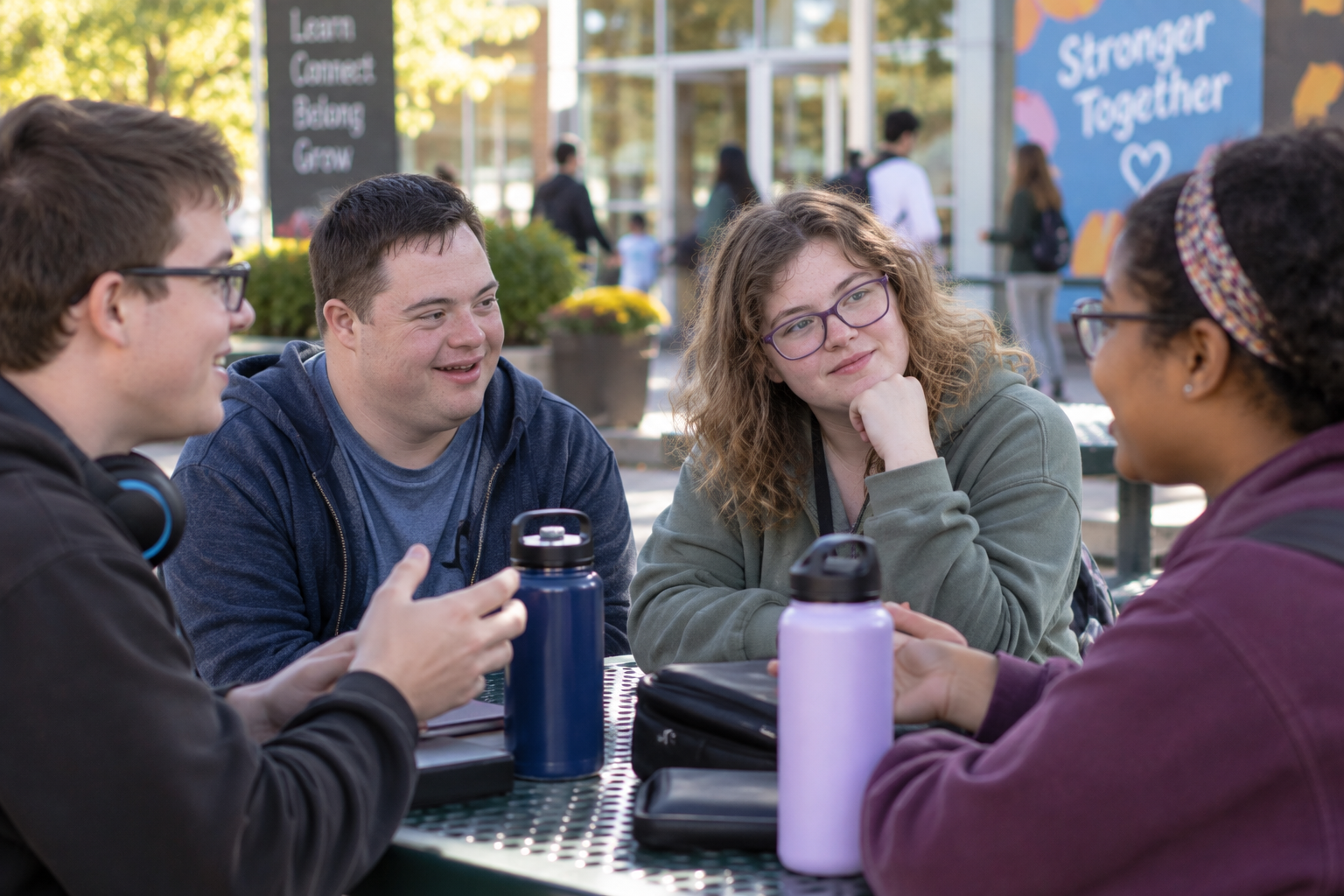
A teacher may notice that a learner is having difficulty joining conversations. A therapist may hear a parent talk about challenges with flexibility. A case manager may work with a family concerned about independence. A counselor may recognize that a young person has trouble asking for help.
The professional does not necessarily have to create another lesson or become the person responsible for teaching that skill.
Sometimes the next step can be:
- Sharing a resource.
- Showing a family where they can learn more.
- Helping them identify which skills they may want to work on first.
- Giving them another option they can explore at home.
- Encouraging them to practice a skill between appointments or services.
A recommendation may feel small to the person making it. To a family that has been searching for help, it may not feel small at all.
What Makes a Resource Useful?
There are certainly plenty of autism resources for families available online. The harder question is figuring out which ones are actually useful.
Families have different needs, schedules, learning styles, and priorities. There is no single resource that will be the right fit for everyone.
Still, there are some things worth looking for.
Is it practical?
Families need more than information. They need ideas and skills that connect to situations happening in everyday life.
Can the learner practice?
Understanding something after hearing it once is very different from being able to use it later. Practice, repetition, and revisiting concepts can help learners become more familiar and comfortable with a skill.
Can families participate?
Family members know their learner incredibly well. Resources that allow caregivers to understand what is being taught can make it easier to reinforce those ideas throughout the week.
Can learning move beyond the screen?
The goal of learning a social, emotional, communication, or self-advocacy skill should not simply be completing an activity. The real goal is helping the learner recognize when that skill may be useful in everyday life.
These ideas are a big part of how WonderKids Digital was designed.
Families and professionals who want to see the program before deciding whether it might be useful can watch a WonderKids lesson preview and see how the learning experience works.
Different Families May Be Looking for Different Skills
Another thing we talked about at RCPA was the fact that a family may not be looking for help with everything.
They may have one particular concern right now.
That is why WonderKids is divided into four learning areas that families can explore separately or together.
- Conversations focuses on skills such as starting, joining, and maintaining conversations, active listening, conversational cues, humor, and connecting with others.
- Social Awareness helps learners explore facial expressions, body language, personal space, social cues, perspective taking, friendships, and understanding the people around them.
- Self Advocacy focuses on understanding yourself, asking for help, expressing needs, relationships, personal safety, conflict, and speaking up.
- Self Management explores coping skills, flexibility, managing change, personal care, confidence, responsibility, and other challenges that are part of everyday life.
A family concerned about conversations may start there. Another may be thinking about emotional regulation or flexibility. Someone else may be focused on independence or self-advocacy.
Starting with what matters to that learner and family right now can make the process feel much more manageable.
Families can also explore the WonderKids options and choose the learning area that best fits their current needs.
Professionals Can Help Learning Continue Between Services
One of the things I appreciate most about professionals working with children and families is how much knowledge gets shared.
A strategy introduced by a therapist may be practiced by a parent.
Something a learner works on at school may come up at home later that evening.
A counselor may help a family recognize a skill that could use more practice.
That connection matters.
When professionals know about autism resources for families, they can help families find ways to continue practicing skills outside of a particular service or setting.
It does not mean replacing professional support. It means adding another opportunity for learning.
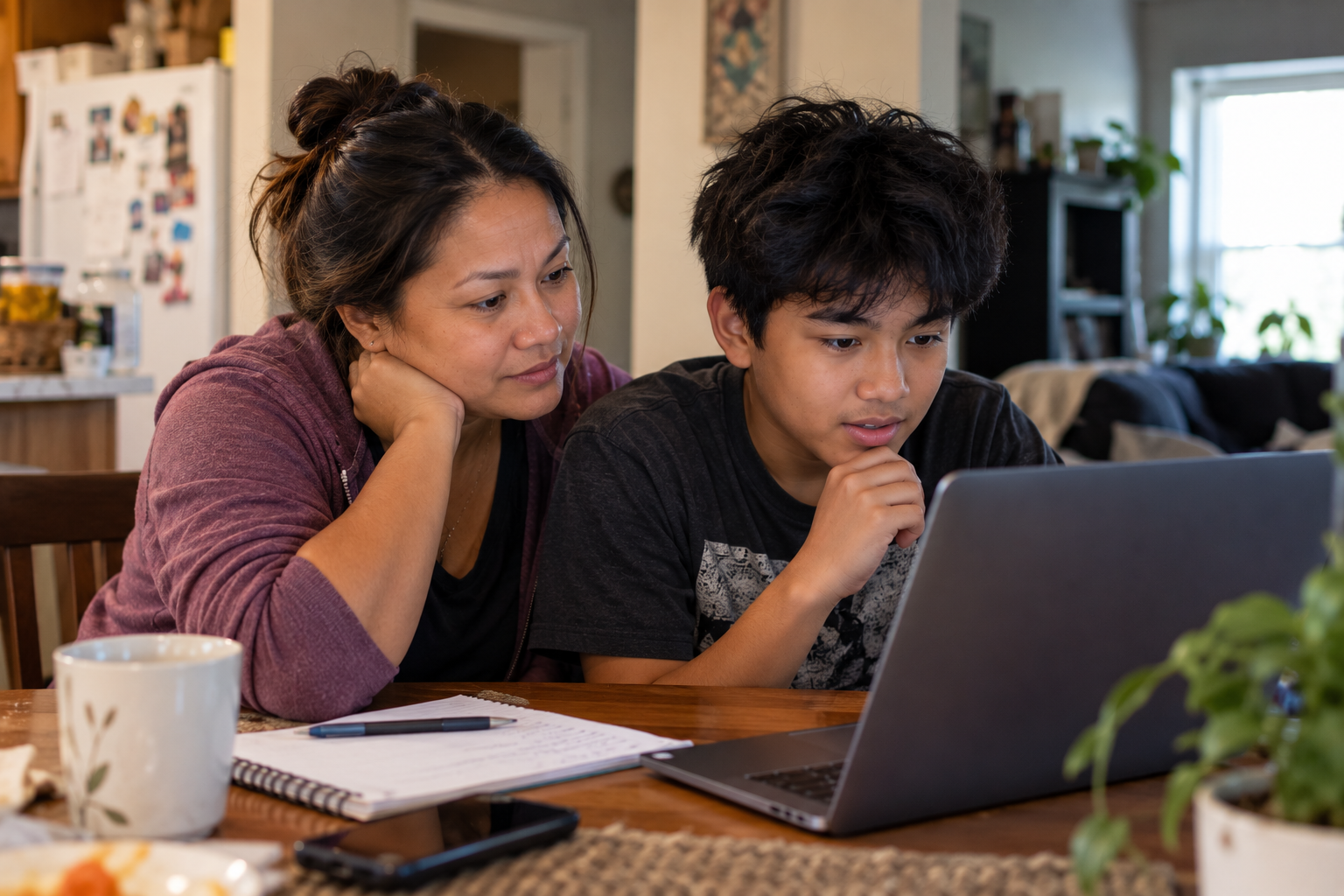
For example, if a learner is working on recognizing social cues at school, the family can look for those same cues while watching television or spending time in the community. If they are practicing asking for help, family members can create safe opportunities to use that skill at home. If flexibility is difficult, everyday changes can become opportunities to practice coping with something unexpected.
Learning becomes much more meaningful when it can travel with the learner.
Sometimes Sharing the Resource Is the Next Step
As we packed up after the RCPA Conference, I kept thinking about how many conversations during the week started because someone stopped at our booth and asked a simple question:
“What is WonderKids?”
That question gave us an opportunity to talk about the program. More importantly, it gave us an opportunity to connect with professionals who may now know about one more resource they can share when the right family crosses their path.
That is why conversations like these matter.
There are families everywhere searching for answers, ideas, and practical ways to support someone they care about. They may be searching online, asking a teacher, talking with a therapist, or simply wondering what else is available.
Professionals do not have to know every resource. They do not have to have every answer.
But we can keep learning from one another. We can keep sharing what we discover. And when we find autism resources for families that may fit what someone needs, we can help make that connection.
Sometimes helping a family take the next step starts simply by showing them where that next step might be.