When your child has trouble keeping friends, it can be difficult to understand why. Maybe they come home excited about someone new they’ve met at school, connected with through a shared interest, or started spending time with during an activity. For a while, everything seems to be going well. Then something changes. The invitations become less frequent, conversations seem harder, or the friendship gradually fades.
As a parent, you may find yourself wondering, “Why does my child have trouble keeping friends, especially when they seem to want those friendships so much?”
It’s a question that can be difficult to answer because friendships involve much more than finding someone who shares your interests. They require communication, flexibility, understanding different perspectives, and navigating the occasional disagreement. These are skills that continue developing throughout childhood, adolescence, and even adulthood.
For children with autism or social communication differences, some of these expectations may be especially challenging. However, having trouble maintaining friendships doesn’t mean a child isn’t interested in others or doesn’t value those relationships. Sometimes, it means there are parts of friendship that haven’t been fully understood or practiced yet.
Why Do Some Children Have Trouble Keeping Friends?
Think about what happens when two children first discover they have something in common. Maybe they both enjoy video games, drawing, animals, or a particular television show. That shared interest creates an opportunity to connect.
But as the friendship develops, new situations arise.
One child may want to talk about something different. Another may invite someone else to join an activity. Plans might change, feelings may get hurt, or a disagreement might occur.
Suddenly, maintaining the friendship requires skills that weren’t necessarily needed when the children first met.
A child might be very comfortable talking about a favorite subject but struggle to recognize when a friend wants to change the conversation. Another might enjoy spending time with someone but become frustrated when an activity doesn’t go as expected.
These situations don’t necessarily reflect a lack of caring. They may involve difficulty interpreting social cues, communicating feelings, or understanding another person’s expectations.
And it’s important to remember that friendships involve two people. Sometimes relationships change because interests shift, personalities differ, or the other child isn’t putting the same effort into the friendship.
Not every friendship is meant to last, and that is true for adults as well.
When a child has trouble keeping friends, understanding which parts of these interactions are difficult can be more helpful than focusing only on the friendship that ended.
Understanding the Social-Emotional Skills Behind Friendships
When we think about friendship, we often focus on behaviors we can observe, such as sharing, taking turns, or being kind.
But underneath those behaviors are several important social-emotional skills.
For example, maintaining friendships may involve:
- Social awareness: Recognizing how another person might be feeling or interpreting a situation.
- Communication: Expressing thoughts and feelings while also making room for another person’s ideas.
- Self-management: Working through frustration, disappointment, or unexpected changes.
- Self-advocacy: Communicating personal needs, preferences, and boundaries.
- Relationship skills: Navigating disagreements, repairing misunderstandings, and finding ways to stay connected.
These areas are part of the broader framework of social-emotional learning, often called SEL. The Collaborative for Academic, Social, and Emotional Learning (CASEL) identifies five core competencies that support healthy relationships and everyday decision-making.
Children who have trouble keeping friends may benefit from opportunities to explore these skills through examples, conversation, and practice.
For some children, these skills develop through observation and experience. Others may benefit from more direct explanations, examples, and opportunities to practice.
The encouraging part is that these skills can continue developing over time.
When Your Child Has Trouble Keeping Friends, What Might They Be Experiencing?
Imagine your child has been spending time with a friend who shares their interest in building elaborate structures in a video game.
For several weeks, they have a wonderful time together. Then the friend suggests playing something different.
Your child isn’t interested and continues asking to play the original game. Eventually, the friend becomes frustrated and stops inviting them to play.
From the outside, it might appear that your child is being inflexible. But there may be more happening.
Perhaps your child doesn’t recognize that their friend wants more variety. Maybe changing activities feels uncomfortable, or they aren’t sure how to suggest something both children would enjoy.
The important question isn’t necessarily, “How do I get my child to do what their friend wants?”
Instead, we might ask, “What does my child understand about this interaction, and what skills could help them navigate it?”
That change in perspective can make a meaningful difference.
It allows us to approach the situation as an opportunity for learning rather than focusing entirely on what went wrong.
Social Emotional Learning Activities That Support Lasting Friendships
Parents don’t need to create formal lessons every time a friendship challenge occurs. In fact, many useful social emotional learning activities can happen during ordinary family conversations and experiences. If your child has trouble keeping friends, these activities can create opportunities to talk about situations that might otherwise be difficult to understand.
Here are a few ways to help children explore the skills involved in maintaining friendships.
Talk About Different Perspectives
When watching a television show or reading a story together, pause occasionally to discuss what the characters might be thinking or feeling.
You might ask, “Why do you think that character was upset?” or “What do you think the other person wanted to happen?”
There may be more than one reasonable answer. That’s part of the learning.
The goal isn’t to teach children to guess everyone’s thoughts correctly. It’s to help them recognize that people can experience the same situation differently.
Practice Working Through Disagreements
Disagreements are a normal part of relationships.
Instead of focusing only on avoiding conflict, help your child explore what they can do when disagreements happen.
For example, you might talk through a situation where two friends want to choose different activities. What options could they consider? Could they take turns, find something they both enjoy, or agree to do separate activities?
These conversations can also reinforce that your child’s preferences matter. Healthy friendships involve compromise, but they shouldn’t require one person to give up their needs every time.
Explore Ways to Reconnect
Sometimes the hardest part of a disagreement isn’t the disagreement itself. It’s knowing what to do afterward.
A child may want to reconnect with a friend but feel unsure about how to begin.
Together, you might explore phrases such as, “I’m sorry we argued yesterday,” or “Would you like to hang out again?”
Role-playing can help children become more comfortable with these conversations. However, it’s important to avoid pressuring a child to apologize when they don’t understand what happened or don’t believe they’ve done something wrong.
Reconnecting should be about understanding and repairing a relationship, not following a script without meaning.
How Online SEL Lessons Can Help Children Who Have Trouble Keeping Friends
Everyday experiences offer valuable opportunities to develop relationships. Still, some children benefit from learning about social situations before encountering them in real life.
This is where structured instruction and online SEL lessons can be helpful.
Video-based examples allow children to observe interactions, consider different responses, and discuss what might happen next.
For instance, a lesson might explore how to recognize when someone wants to join a conversation, respond when a friend disagrees, or communicate frustration appropriately.
Children can revisit these situations without the pressure of having to respond immediately.
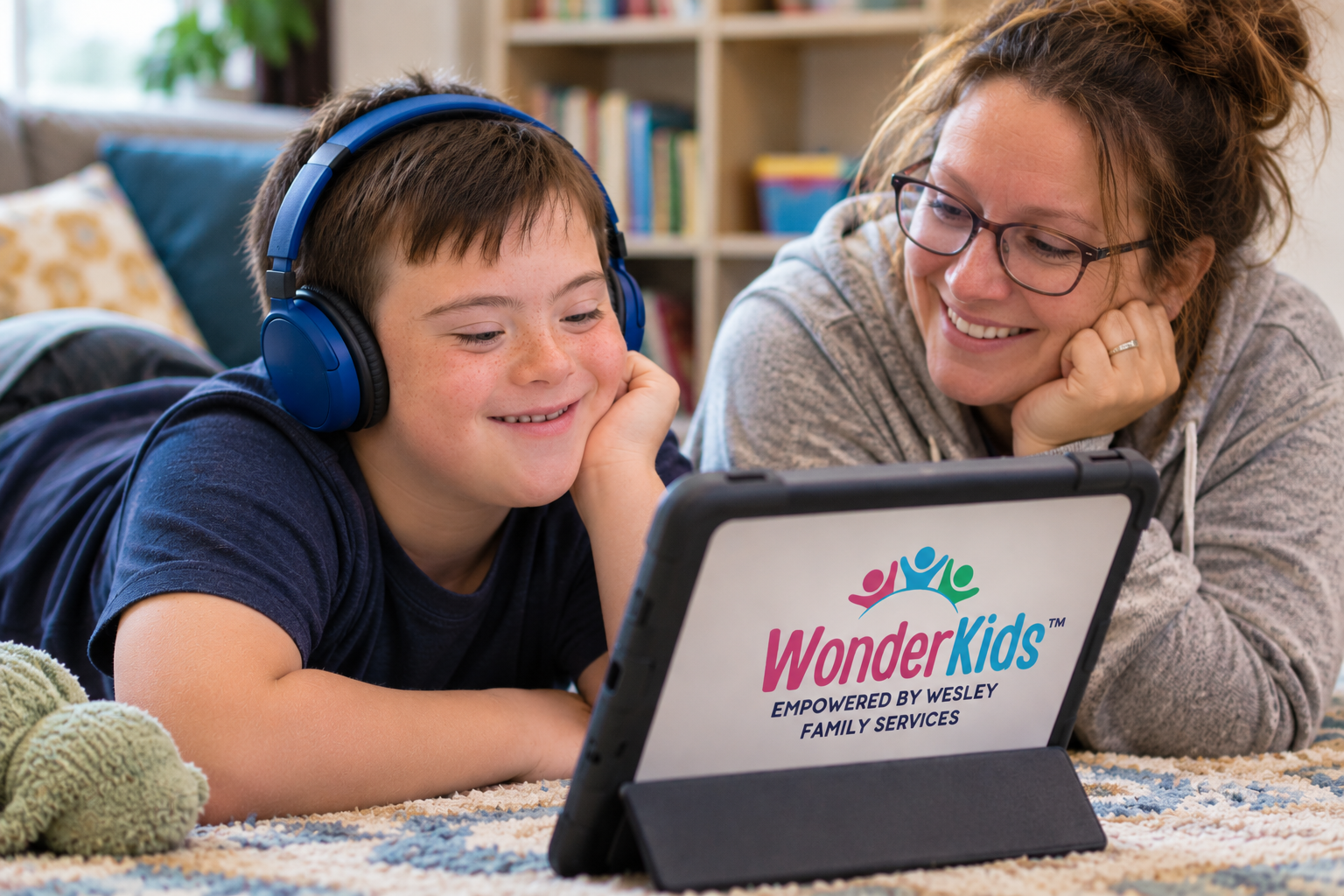
WonderKids Digital provides online social skills instruction designed for children and young people with autism and social communication differences. Its lessons use video modeling and guided learning opportunities to explore everyday interactions.
Several learning areas are especially relevant to maintaining friendships:
- Conversations explores the communication skills involved in interacting with others.
- Social Awareness helps learners consider social situations and different perspectives.
- Self-Management focuses on navigating emotions and responses.
- Self-Advocacy supports expressing personal needs and preferences.
Of course, watching a lesson doesn’t automatically mean a child will use that skill in every situation. Learning often requires opportunities to practice, reflect, and try again.
That’s why combining structured instruction with everyday social experiences can be so valuable.
Helping Children Who Have Trouble Keeping Friends
One final consideration is worth remembering: not every child wants the same kind of social life.
Some children enjoy having a large group of friends. Others prefer one or two close relationships. Some connect through shared activities, while others enjoy quieter interactions or need more time alone.
The goal shouldn’t be to make every child more outgoing or socially active.
Instead, we want to help children build relationships that are meaningful, comfortable, and respectful of who they are.
If your child continues to have trouble keeping friends, consider what they want from those relationships and which experiences they find most challenging.
Then look for opportunities to support the specific skills that might help.
Friendships can be complicated, even for adults. They involve misunderstandings, changing expectations, and occasional disappointment. But they also offer opportunities for connection, belonging, and personal growth.
With understanding, encouragement, and meaningful practice, children can develop greater confidence in navigating those relationships.
And sometimes, the most valuable thing we can offer isn’t an immediate solution. It’s helping a child understand what happened, recognize their choices, and feel supported as they figure out what friendship means to them.
Interested in exploring additional ways to support your child’s social-emotional development? Take a look inside WonderKids Digital to learn more about its video-based lessons, or explore the available learning modules.